


Six Key Features of Waterborne Polyurethane Adhesives (Waterborne PU Adhesives)
Release time:2019-11-14


Waterborne polyurethane adhesive (PU adhesive for short) Refers to an adhesive made with waterborne polyurethane as the base material. It is an important type of waterborne adhesive, and has been rapidly developing in recent years due to its excellent adhesion, outstanding oil resistance, impact resistance, wear resistance, and low-temperature resistance.
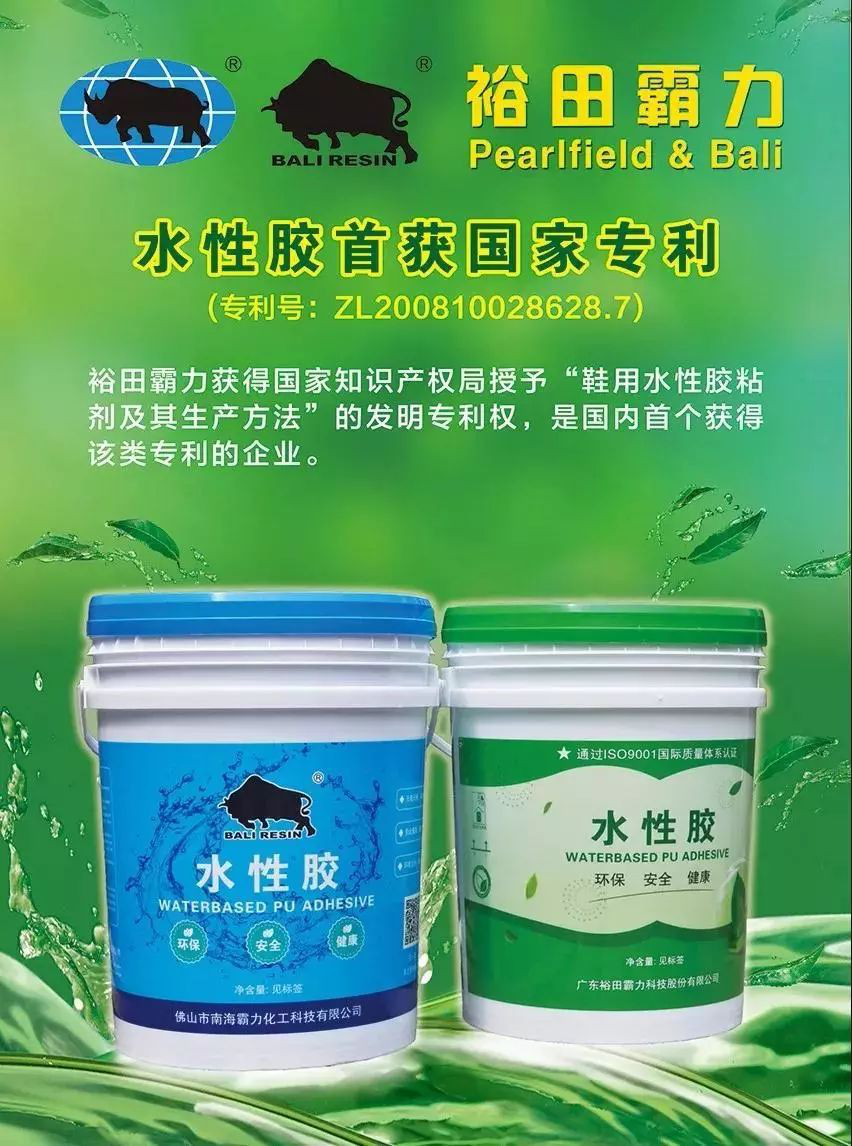
Six major characteristics of waterborne polyurethane adhesives:
1、 Most waterborne polyurethane adhesives do not contain -NCO groups Therefore, they mainly rely on the cohesive and adhesive forces generated by intramolecular polar groups for curing. Solvent-based or solvent-free one-component and two-component polyurethane adhesives can fully utilize the reaction of -NCO to enhance the bonding performance during the bonding and curing process. Waterborne polyurethane contains carboxyl and hydroxyl groups, which can participate in reactions under suitable conditions to cause crosslinking of the adhesive.
2、In addition to the added polymeric thickeners, other important factors affecting the viscosity of waterborne polyurethane include ionic charge, core-shell structure, and emulsion particle size etc. The more ions and counterions (referring to free ions in the solution whose polarity is opposite to that of the ionic groups in the polyurethane main chain and side chain) on the polymer molecule, the greater the viscosity, while the influence of factors such as solid content (concentration), polyurethane resin molecular weight, and crosslinking agent on the viscosity of waterborne polyurethane is not significant. This is conducive to the high molecular weight of polyurethane to improve the cohesive strength of the adhesive. In comparison, the main factors affecting the viscosity of solvent-based polyurethane adhesives are the molecular weight, branching degree, and concentration of the polyurethane. At the same solid content, the viscosity of waterborne adhesives is lower than that of solvent-based adhesives.
3、 Viscosity is an important parameter for the use performance of adhesives The viscosity of waterborne polyurethane is generally adjusted by water-soluble thickeners and water. Solvent-based adhesives can be adjusted by increasing the solid content, the molecular weight of the polyurethane, or by selecting a suitable solvent.
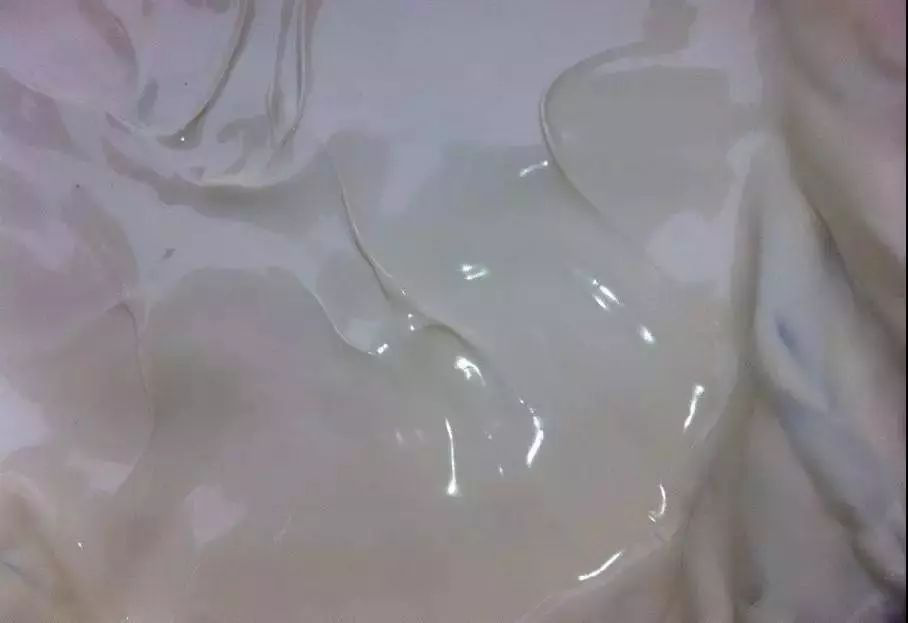
4、Because the volatility of water is worse than that of organic solvents, waterborne polyurethane adhesives dry more slowly and because of the high surface tension of water, the wetting ability of hydrophobic substrates is poor. If most of the water has not yet volatilized from the adhesive layer or coating into the air, or has been absorbed by the porous substrate before heating and drying, a continuous adhesive layer is difficult to obtain.
5、 Waterborne polyurethane adhesives can be mixed with various waterborne resins to improve performance or reduce costs. At this time, attention should be paid to the ionic properties and acidity and alkalinity of ionic water-based adhesives, otherwise, coagulation may occur. Due to the influence of compatibility between polymers or solubility in certain solvents, solvent-based polyurethane adhesives can only be blended with a limited number of other resin adhesives.
6、 Waterborne polyurethane adhesives have a low odor, are easy to operate, and residual adhesive is easy to clean while solvent-based polyurethane adhesives sometimes require the consumption of a large amount of solvent during use, and cleaning is not as convenient as water-based adhesives.
Keywords:
Related information

“Orange” is full of meaning—Yutian Bali’s heartfelt efforts to support farmers are now in action!
The listing ceremony for Yutian Bali on the New Third Board was solemnly held in Beijing.
Address: Fine Chemical Zone, Gaolan Port Economic Zone, Zhuhai City, Guangdong Province
General Manager of Overseas Business Department (Hu Shuwen)
Scan to Follow
WeChat Official Account
Scan to Follow
WeChat ID